
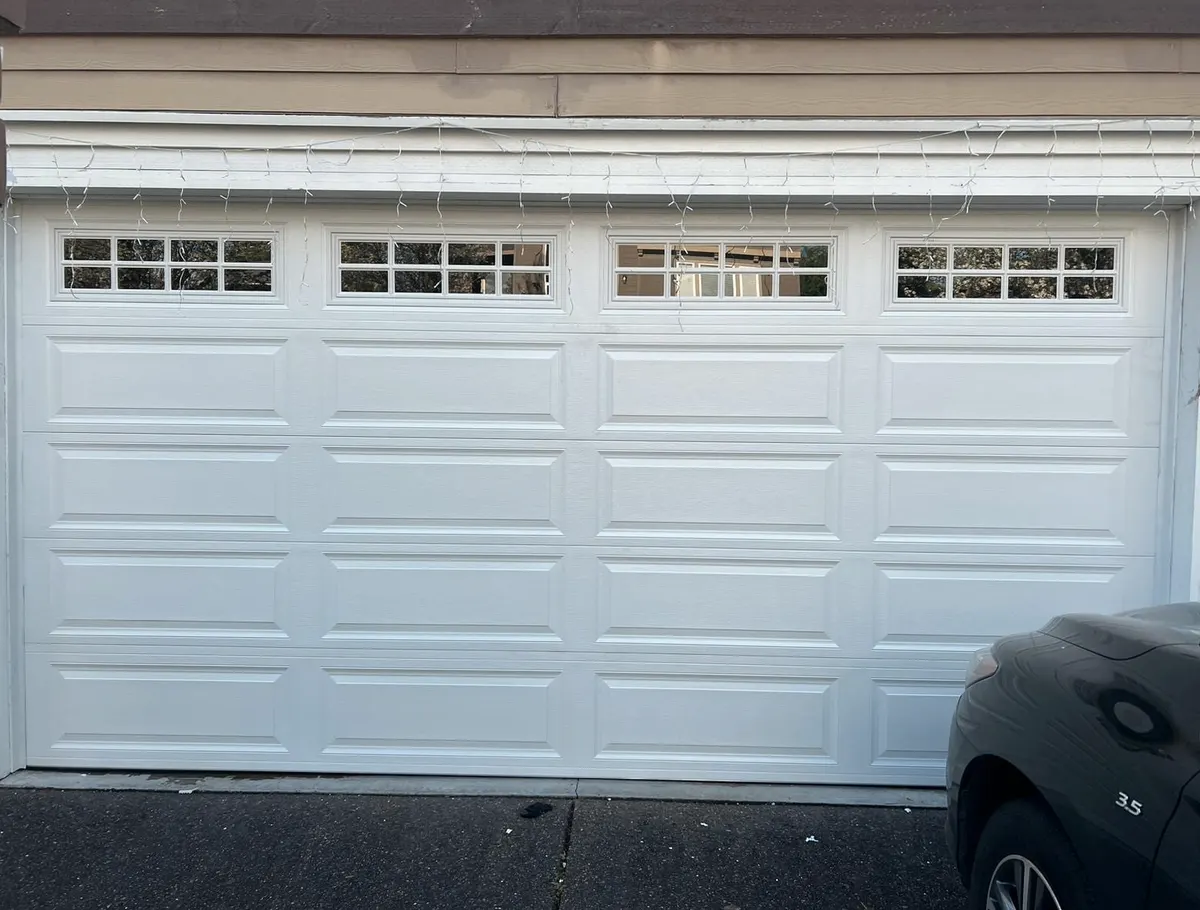
The Call That Starts With "We Just Need a New Door, Right?"
A technician shows up to measure for a replacement and within five minutes it's clear the real job isn't the door — it's refereeing a disagreement. One spouse already picked a door online because it was in stock and looked good. The other is holding a folder of HOA paperwork and asking if they need a permit first. Both are partly right, and both are talking about different things. On Marco Island and the surrounding coastal communities, a garage door replacement usually touches three separate approvals, and mixing them up is how projects get delayed or doors get rejected after they're already installed.
Three Different Hurdles, Not One
1. The Building Permit
This is a code and safety issue, handled by the local building department, not your neighbors. In coastal Southwest Florida, garage doors are treated as structural openings because a failed garage door during high wind can let pressure into the house and damage the roof from the inside. That's why replacements typically require a permit and an inspection confirming the new door meets the wind-load rating required for your location and the size of the opening. This step exists regardless of what your neighborhood looks like or what your HOA says.
2. HOA or Deed Restriction Approval
This is a separate, private agreement between homeowners, not a government requirement. An HOA can restrict door color, style, or window pattern to keep a consistent look across the community, and in many cases they require an application and approval before installation — sometimes before you even order the door. An HOA has no authority over wind-load engineering, and a building department has no interest in whether your new door matches the neighbor's. Satisfying one does not satisfy the other.
3. Wind-Load Code Compliance
This is the engineering piece, and it's where a lot of disagreements actually start. A door that's rated for wind load in a non-coastal part of the state may not be rated high enough for a home closer to open water or in a more exposed location. The rating depends on wind speed zone, the size of the door opening, and sometimes the height of the home. A door's label, the installer's paperwork, and the permit application all need to agree on this number — and it's not something you can eyeball from a product photo.
Why This Matters More Here Than Inland
Coastal exposure changes two things that inland homeowners don't have to think about as much. First, salt air accelerates rust on tracks, rollers, and hardware, so a door that looked fine during a quick walk-through inspection can have hidden corrosion in the areas that matter structurally. Second, the hurricane season reality means a door isn't just judged on how it looks or opens smoothly — it's judged on whether it stays attached to the house during sustained wind and wind-driven rain. A door that passes a casual glance can still fail the actual engineering requirement for the opening it's covering.
What Actually Happens If You Skip a Step
Skipping the permit usually surfaces later — at resale, during an insurance inspection, or after storm damage, when there's no record that the door was installed to the required standard. Skipping HOA approval tends to surface faster, sometimes as a notice to remove or replace a door that doesn't match approved specifications, even if it was installed correctly and legally. Installing a door with the wrong wind-load rating is the quietest problem of the three — it won't get flagged in daily use, only during an inspection, an insurance review, or, worse, an actual storm.
How to Settle the Argument
- Separate the three questions out loud. Ask: do we have permit requirements, do we have HOA requirements, and what wind-load rating does this specific opening need? Write down the answer to each one separately.
- Get the wind-load number before you fall in love with a door style. It narrows the choices honestly, instead of trying to make a favorite door fit the requirement after the fact.
- Check HOA style rules against the wind-rated options, not the other way around — there's no point getting HOA approval for a door that can't legally go on that opening.
- Keep the paperwork together — permit, HOA approval letter, and the door's wind-load certification — in one place, ideally the same folder that already has insurance documents.
When to Call Marco Island Garage Door Pro
If you're mid-argument over which door to buy, or you've already got a quote that doesn't mention a wind-load rating at all, that's the moment to call before signing anything. Marco Island Garage Door Pro handles new garage door installation with the correct rating for your opening and location worked out up front, not guessed at. If you're dealing with an older door that's already showing coastal wear — rust at the tracks, swelling panels, a door that no longer seals the way it used to — our garage door panel replacement service can sometimes solve the problem without a full replacement, while still respecting whatever HOA style requirements apply to your home.
If you're in Marco Island, Naples, Goodland, Isles of Capri, Golden Gate, Lely Resort, East Naples, or Everglades City and you need a straight answer on permits, wind ratings, or what your HOA is actually asking for, call Marco Island Garage Door Pro — we'll help you sort it out before you buy the wrong door.